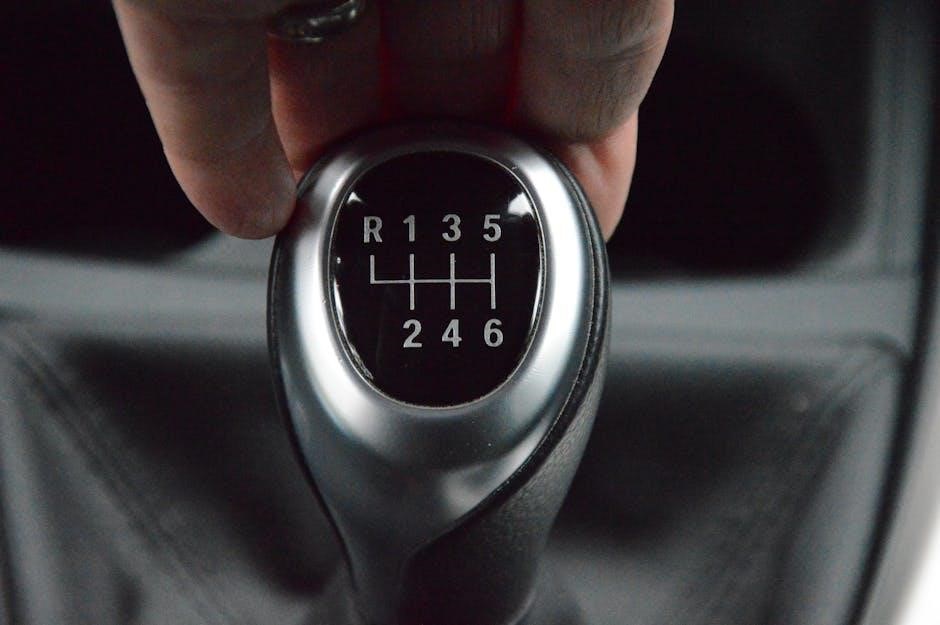
Automatic Starter for Manual Transmission: An Overview
Remote starting a manual transmission vehicle presents unique challenges‚ yet is achievable with modern systems like Compustar.
These systems require specific safety protocols and address common myths surrounding operation and security;
Successfully implementing a remote starter necessitates careful consideration of the vehicle’s state – neutral position‚ parking brake engagement‚ and clutch status.
Historically‚ remote starters were primarily associated with automatic transmissions‚ but advancements now enable functionality for manual vehicles. The core concept involves remotely initiating the engine while the vehicle is parked‚ offering pre-heating or cooling benefits. However‚ unlike automatics‚ manual transmissions require addressing the potential for unintended vehicle movement.
Early concerns centered around the clutch being disengaged and the possibility of the car starting in gear. Modern systems‚ like those from Compustar‚ overcome this through sophisticated integration with existing vehicle safety features. These include the neutral safety switch and clutch position sensing‚ ensuring the car only starts when it’s safe to do so.
The process typically involves “arming” the system before exiting the vehicle‚ a crucial step for safe operation. This initial setup‚ combined with mandatory preconditions like the parking brake being engaged‚ forms the foundation of a secure and reliable remote start experience for manual transmission cars.
The Core Challenge: Preventing Unintended Movement
The primary hurdle in implementing a remote starter for a manual transmission is preventing the vehicle from unexpectedly moving. Unlike automatic transmissions‚ a manual requires the clutch to be disengaged and the gear selector in neutral for safe starting. Without these safeguards‚ the engine could engage a gear‚ potentially causing the vehicle to lurch forward or backward.
This concern fuels the myth that remote starting a manual is impossible or inherently dangerous. However‚ modern systems address this directly. They rely on detecting the transmission’s gear position and verifying engagement of the parking brake. Compustar systems‚ for example‚ are designed to bypass starting if these conditions aren’t met.
Furthermore‚ integration with the neutral safety switch is critical‚ providing an additional layer of security. These systems aren’t simply “starting” the car; they’re performing a complex sequence of checks to ensure a safe and controlled remote start process.

Technical Considerations & Components
Essential components include clutch position sensors‚ neutral safety switch integration‚ gear position detection‚ and brake interlocks. Bypass modules may override factory security systems for compatibility.
Clutch Position Sensing: A Critical Safety Feature
Clutch position sensing is paramount for safe remote starting of manual transmission vehicles. The system must verify the clutch pedal is not depressed‚ preventing unintended engine engagement and potential vehicle movement. This is achieved through a dedicated sensor monitoring the clutch pedal’s position‚ sending a signal to the remote start module.
Without accurate clutch position data‚ the risk of the car starting in gear is significant. Modern systems‚ like those offered by Compustar‚ prioritize this safety feature. The sensor’s reliability is crucial; any malfunction must disable the remote start functionality. Proper installation and calibration of the clutch position sensor are therefore non-negotiable for a functional and‚ more importantly‚ safe remote start system.
This feature directly addresses the common myth that a manual transmission vehicle cannot be remotely started safely.
Neutral Safety Switch Integration
Neutral safety switch integration is a foundational safety component in manual transmission remote start systems. This switch‚ already present in most vehicles‚ prevents starting unless the transmission is definitively in neutral or park (for automatics). The remote start module leverages this existing safety net‚ requiring confirmation from the neutral safety switch before allowing the engine to crank.
However‚ relying solely on the neutral safety switch isn’t sufficient. It’s often combined with additional gear position detection (discussed elsewhere) for redundancy. The system must interpret the switch’s signal accurately‚ avoiding false positives that could lead to unintended movement. Proper wiring and testing of the neutral safety switch connection are vital during installation.
This integration directly addresses concerns about the vehicle starting in gear‚ a primary fear associated with remote starting manual transmissions.
Transmission Gear Position Detection
Transmission gear position detection adds a crucial layer of safety beyond the neutral safety switch. While the switch confirms neutral‚ dedicated gear position sensing verifies the transmission isn’t accidentally nudged into gear after the neutral signal is received but before the engine cranks. This is achieved through various methods‚ often involving sensors monitoring transmission linkage or utilizing the vehicle’s CAN bus data.
This redundancy is paramount. A faulty neutral safety switch‚ or momentary interference‚ could otherwise allow starting in gear. Sophisticated systems continuously monitor gear position throughout the arming and starting sequence. This ensures the vehicle remains safely in neutral‚ mitigating the risk of unexpected movement. Accurate detection is vital for reliable and safe operation.
Brake System Interlock: Ensuring Vehicle Stability
Brake system interlock is a fundamental safety feature integrated into manual transmission remote start systems. It mandates that the parking brake must be engaged before the remote start function can be activated. This isn’t merely a convenience; it’s a critical safeguard against unintended vehicle movement. The system verifies brake engagement via a dedicated sensor‚ preventing the starter from engaging if the brake isn’t firmly applied.
This interlock acts as a secondary layer of protection‚ complementing gear position detection and the neutral safety switch. Even if a rare scenario occurs where the transmission isn’t perfectly in neutral‚ the engaged parking brake prevents rolling. It’s a non-negotiable requirement‚ ensuring vehicle stability and preventing potential accidents during remote starting.
Remote Starter System Compatibility (Compustar & Others)

Compustar stands out as a leading brand specifically engineered to safely integrate with a wide range of manual transmission vehicles‚ addressing concerns about clutch engagement and potential movement. While other remote start systems exist‚ compatibility can be limited‚ often requiring complex bypass modules or specialized programming.
Compustar’s systems utilize sophisticated algorithms and sensor integration to verify the vehicle’s state – neutral gear‚ engaged parking brake‚ and clutch position – before allowing remote start. This ensures a secure and reliable operation. Other brands may necessitate professional installation and customization to achieve similar levels of safety and functionality‚ potentially increasing costs and complexity.

Operation & Safety Protocols
Successful remote starting of a manual transmission demands strict adherence to pre-start procedures‚ including verifying the vehicle is in neutral and the parking brake is engaged.
These protocols mitigate risks and ensure safe operation‚ addressing concerns about unintended vehicle movement.
Arming the Remote Starter: Pre-Start Procedures
Prior to exiting the vehicle‚ the operator must actively “arm” the remote starter system‚ a crucial step for manual transmissions. This process‚ often involving a specific sequence of actions like momentarily pressing the brake pedal or a dedicated arming button‚ signals the system it’s safe to initiate a remote start.
This arming procedure is fundamentally different from automatic transmission systems‚ where the vehicle’s state is often automatically assessed. The system then awaits the remote command‚ but only after confirming the vehicle is in neutral. Without proper arming‚ the remote start function remains disabled‚ preventing accidental activation. This deliberate step is a cornerstone of safety‚ ensuring the vehicle won’t unexpectedly start in gear.
Essentially‚ the driver takes responsibility for confirming the safe starting conditions before leaving the vehicle.
Neutral Requirement: The Standard Operating Condition
A fundamental safety requirement for remote starting a manual transmission vehicle is ensuring it’s in neutral. The remote start system will not activate if the transmission is in any gear – forward or reverse. This is a non-negotiable condition‚ built into the system’s programming to prevent unintended vehicle movement.
This requirement is enforced through sophisticated gear position detection‚ often integrated with the vehicle’s existing systems. The system verifies the neutral position before even considering the remote start request. This prevents the starter from engaging and potentially lurching the vehicle forward or backward.
Essentially‚ the system prioritizes absolute safety‚ making neutral a mandatory prerequisite for remote operation‚ addressing concerns about accidental rolling.
Parking Brake Engagement: A Mandatory Precaution
Alongside the neutral requirement‚ engaging the parking brake is a critical safety measure for remote starting a manual transmission vehicle. The system is designed to prevent activation unless the parking brake is firmly applied‚ acting as a redundant layer of security against unintended movement.
This isn’t merely a suggestion; it’s a mandatory precondition programmed into the remote start system. The system actively checks for parking brake engagement before allowing the engine to start remotely. This safeguard addresses concerns about potential failures in the neutral safety switch or unforeseen circumstances.
Therefore‚ consistently applying the parking brake before utilizing the remote start function is paramount for safe and reliable operation‚ ensuring vehicle stability.
Addressing the Myth: Starting Without the Clutch
A prevalent concern is the belief that remote starting a manual transmission vehicle necessitates depressing the clutch pedal‚ mirroring the traditional starting procedure. However‚ modern remote start systems‚ like those offered by Compustar‚ are specifically engineered to bypass this requirement;
These systems don’t replicate the driver’s actions; instead‚ they rely on a series of safety interlocks – neutral position sensing‚ parking brake verification – to ensure a safe start. The clutch pedal is not part of the remote start sequence.
The system intelligently manages the starting process‚ eliminating the need for clutch engagement and providing a convenient‚ secure remote start experience for manual transmission vehicles.
Addressing the Myth: Risk of Vehicle Movement
A significant fear surrounding remote starters in manual transmission cars is the potential for unintended vehicle movement. Concerns arise about the vehicle starting in gear or the parking brake failing‚ leading to a runaway situation. However‚ these fears are largely unfounded with properly installed and configured systems.
Compustar and similar brands incorporate multiple safety mechanisms. The system absolutely requires the vehicle to be in neutral‚ verified by a neutral safety switch‚ before allowing the engine to start. Furthermore‚ parking brake engagement is a mandatory precondition.
These interlocks prevent any possibility of movement‚ ensuring the vehicle remains stationary during the remote start process‚ effectively dispelling the myth of uncontrolled vehicle operation.
Addressing the Myth: Security Concerns & Theft Prevention
A common apprehension regarding remote starters‚ particularly in manual transmission vehicles‚ centers around increased theft risk. The worry is that someone could remotely start the car and drive it away. While a valid concern historically‚ modern systems have robust security features to mitigate this risk.
Compustar systems‚ for example‚ are designed with sophisticated encryption and authentication protocols. Many require a secondary authorization step‚ preventing unauthorized access. Furthermore‚ the “arming” procedure – a pre-start sequence initiated by the driver – adds a layer of security.
These features‚ combined with factory security system integration via bypass modules‚ significantly reduce the likelihood of theft‚ effectively addressing security concerns.

System Implementation & Variations
Installation involves complex wiring and often requires bypass modules to circumvent factory security. Programming and configuration are crucial for proper function‚ and auto stop/start systems present unique integration challenges.
Wiring and Installation Complexity
Integrating a remote starter into a manual transmission vehicle is notably more intricate than with an automatic. The process demands precise wiring to interface with multiple vehicle systems – the clutch switch‚ neutral safety switch‚ and the existing starter circuitry. Technicians must carefully identify and tap into the correct wires‚ ensuring no interference with factory functions.
Bypass modules are frequently necessary to override the vehicle’s immobilizer or security system‚ adding another layer of complexity. Proper grounding and shielding are vital to prevent electrical noise and ensure reliable operation. The installation isn’t simply plug-and-play; it requires a skilled technician with a thorough understanding of automotive electrical systems. Incorrect wiring can lead to system malfunction or even damage to the vehicle’s electronics.
Furthermore‚ the added components increase the overall wiring harness length‚ potentially creating more points of failure.
Bypass Modules: Overriding Factory Security Systems
Modern vehicles incorporate sophisticated anti-theft systems‚ often requiring a bypass module when installing a remote starter. These modules essentially “trick” the car into believing a valid key is present‚ allowing the starter to engage remotely. The complexity arises from the diverse security protocols employed by different manufacturers.
Bypass modules aren’t about defeating security‚ but rather about working with it. They temporarily emulate the key’s transponder signal‚ enabling remote start while maintaining the factory system’s integrity. Installation demands careful programming to match the vehicle’s specific security code. Incorrect configuration can render the remote starter inoperable or‚ worse‚ compromise the vehicle’s security.
Choosing a reputable bypass module and professional installation are crucial for a secure and functional system.
Programming and Configuration of Remote Start Systems
Successful installation of a manual transmission remote starter extends beyond wiring; meticulous programming and configuration are essential. This process tailors the system to the vehicle’s specific parameters‚ ensuring safe and reliable operation. Key aspects include defining the neutral position‚ parking brake requirement‚ and clutch disengagement protocols.
Modern systems‚ like Compustar‚ often utilize a smartphone app or a dedicated programming interface. Technicians input vehicle-specific data‚ establishing a communication pathway between the remote starter‚ the vehicle’s computer‚ and any necessary bypass modules. Proper configuration prevents unintended starts and safeguards against security vulnerabilities.
Regular system checks and updates are recommended to maintain optimal performance and compatibility.
Auto Stop/Start Functionality in Manual Transmissions
Integrating auto stop/start with a manual transmission presents a unique scenario‚ as demonstrated in vehicles like the Ford Focus RS. The system intelligently detects when the vehicle is in neutral‚ automatically shutting off the engine to conserve fuel. Restarting occurs seamlessly upon clutch engagement‚ providing a smooth driving experience;
This functionality requires precise calibration to ensure reliable operation and prevent unexpected shutdowns during driving. While some drivers may initially dislike the feature‚ adaptation is common‚ and it can significantly improve fuel efficiency. The system’s success hinges on accurate transmission gear position detection and a responsive restart mechanism.
Modern implementations prioritize driver comfort and safety.

User Experience & Practicalities

Adapting to a remote start system on a manual requires habituation‚ potentially adding 20-30 seconds to shutdown procedures‚ as experienced by users in Alaska.
Familiarity and understanding the pre-start protocols are key to a seamless experience.
The Added Shut-Off Procedure Time
Integrating a remote starter into a manual transmission vehicle invariably introduces an additional step to the standard shut-off routine. Unlike automatic transmissions where the vehicle readily enters park‚ manual systems demand a deliberate action from the driver to ensure proper operation and safety.
Specifically‚ users report an increase of approximately 20 to 30 seconds to the typical shutdown process. This extension stems from the system’s requirement to confirm the vehicle is in neutral before allowing remote start functionality. This confirmation process‚ while crucial for preventing unintended movement‚ adds a noticeable delay.
Drivers accustomed to a quick ignition-off procedure will need to adjust their habits. This adjustment period‚ though initially requiring conscious effort‚ generally becomes second nature with consistent use. The added time is a trade-off for the convenience of remote starting in colder climates‚ like Alaska‚ where pre-heating the engine is highly valued.
Adapting to the System: User Habituation
Initial operation of a remote start system in a manual transmission vehicle often requires a conscious shift in driver behavior. The necessity of ensuring the vehicle is in neutral‚ and the parking brake is engaged‚ before exiting becomes paramount. This differs from the routine in automatic vehicles‚ demanding a deliberate pre-departure checklist.
However‚ with consistent use‚ this process quickly transitions from a mindful task to an ingrained habit. Users report that after a period of adjustment‚ the pre-start procedures become automatic‚ adding minimal inconvenience to their daily routine. This habituation is key to fully enjoying the benefits of remote starting.
The slight learning curve is a small price to pay for the convenience‚ particularly in challenging weather conditions. Over time‚ the system seamlessly integrates into the driver’s workflow‚ enhancing the overall driving experience.
Remote Start in Cold Climates (Alaska Example)
In regions experiencing harsh winters‚ like Alaska‚ a remote starter for a manual transmission vehicle proves exceptionally valuable. Pre-heating the engine and defrosting the windshield remotely significantly improves comfort and safety during frigid temperatures. Starting a cold engine in sub-zero conditions can be notoriously difficult‚ and a remote starter bypasses this issue entirely.
Alaskan drivers often face challenges like snow-covered vehicles and icy roads. A warmed-up engine ensures optimal performance and reduces strain on the battery‚ crucial in extreme cold. The convenience of a warm cabin before even entering the vehicle is a substantial benefit.
The added 20-30 seconds to the shut-off procedure‚ while initially noticeable‚ becomes a worthwhile trade-off for the enhanced winter driving experience.
Troubleshooting & Maintenance
Regular checks of the remote start system are vital‚ alongside monitoring for increased starter motor load. Diagnostic steps should address any operational issues promptly for reliability.
Common Issues and Diagnostic Steps
Diagnosing issues with a manual transmission remote start often begins with verifying the neutral safety switch functionality. A faulty switch prevents starting‚ even remotely. Check wiring connections to the clutch position sensor‚ ensuring no corrosion or breaks exist‚ as this impacts system recognition of clutch status.
If the system fails to arm‚ investigate the parking brake signal – a weak or absent signal disables remote start. Furthermore‚ examine the bypass module (if installed) for proper operation‚ as these can introduce complications. Utilize a multimeter to test voltage levels at key components‚ comparing readings to the manufacturer’s specifications. Finally‚ consult the remote start system’s documentation for specific error codes and troubleshooting procedures‚ as these provide valuable insights.
Potential for Increased Starter Motor Load
Installing a remote starter on a manual transmission vehicle can potentially increase the load on the starter motor. Unlike automatic transmissions‚ a manual system requires the starter to engage with the engine while overcoming the resistance of the flywheel and‚ potentially‚ a slightly engaged clutch.
This increased demand‚ especially in colder climates‚ may lead to premature wear or failure of the starter. Monitoring starter motor performance and listening for unusual noises during remote starts is crucial. Consider upgrading to a heavy-duty starter motor‚ particularly if frequent remote starts are anticipated. Regular checks of the starter’s brushes and solenoid can help identify potential issues before they escalate.
Regular System Checks and Maintenance
To ensure the longevity and reliable operation of a remote starter system installed in a manual transmission vehicle‚ consistent checks are vital. Periodically inspect all wiring connections for corrosion or damage‚ ensuring secure fastening. Verify the functionality of the neutral safety switch and brake system interlock‚ critical safety components.
Test the remote start system’s operation under various conditions‚ including cold starts. Monitor the starter motor for any signs of strain or unusual noises. Consider a professional system diagnostic check annually to identify potential issues before they become major problems. Keep the vehicle’s battery in optimal condition‚ as a weak battery can negatively impact remote start performance.

Future Trends & Advancements
Integration with vehicle telematics and geofencing promises smarter remote start capabilities‚ enhancing security and convenience for manual transmission vehicles.
Expect more sophisticated systems offering seamless connectivity and advanced control options‚ evolving beyond current functionalities.
Integration with Vehicle Telematics Systems
The future of manual transmission remote starters lies in deeper integration with existing vehicle telematics systems. This synergy allows for a more comprehensive and secure remote operation experience. Imagine a system that not only confirms the vehicle is in neutral and the parking brake is engaged‚ but also verifies its location via GPS.
Telematics can provide real-time data on vehicle status‚ transmitting information to the remote starter module and the user’s smartphone. This enables features like geofencing – restricting remote start functionality to a predefined area – adding a significant layer of theft prevention. Furthermore‚ integration allows for over-the-air updates to the remote start system‚ ensuring it remains compatible with evolving vehicle software and security protocols. Diagnostic information can also be relayed‚ proactively identifying potential issues before they become major problems‚ ultimately enhancing the reliability and longevity of the system.
Smart Remote Start with Geofencing Capabilities
Advanced remote start systems for manual transmissions are evolving towards “smart” functionality‚ prominently featuring geofencing. This technology utilizes GPS and pre-defined geographical boundaries to control remote start access‚ significantly bolstering security. Users can establish virtual perimeters – home‚ work‚ or trusted locations – allowing the vehicle to be remotely started only when within these zones.
Geofencing prevents unauthorized remote starts in unfamiliar areas‚ mitigating theft risks. Coupled with telematics integration‚ these systems can alert owners if the vehicle is started remotely outside the designated geofence. Furthermore‚ smart systems learn driver habits‚ optimizing remote start schedules for comfort and efficiency. This intelligent approach combines convenience with robust security‚ offering peace of mind and a tailored user experience for manual transmission vehicle owners.