
Manual on Ministry UCC: A Comprehensive Guide (Updated 05/04/2026)
Today‚ 05/04/2026‚ the Upper Columbia Conference is strategically restructuring family ministries‚ uniting men’s‚ women’s‚ and children’s programs under youth leadership.

I. Understanding the United Church of Christ (UCC)
The United Church of Christ (UCC) stands as a progressive and historically significant denomination within American Protestantism. Rooted in a fusion of Congregational‚ Christian‚ and Reformed traditions‚ the UCC emphasizes local church autonomy while fostering a broad ecumenical spirit. This manual acknowledges the recent restructuring within conferences like the Upper Columbia Conference‚ specifically the integration of men’s‚ women’s‚ and children’s ministries under the umbrella of youth and young adult leadership.
Understanding this shift requires recognizing the UCC’s commitment to adaptable ministry models. The denomination values inclusivity and responsiveness to evolving community needs‚ making such organizational changes a natural progression. This guide will explore how these changes impact ministerial roles and responsibilities within the UCC framework.
II. Core Values and Distinctive Theology
Central to the UCC’s identity are its unwavering commitments to justice‚ inclusivity‚ and a deeply held belief in God’s unconditional love for all. These values inform the recent organizational adjustments‚ like those occurring within the Upper Columbia Conference‚ where family ministries are being unified under youth leadership. This restructuring reflects a desire for more integrated and impactful ministry.

The UCC’s distinctive theology emphasizes God’s continuing revelation and the importance of individual conscience. This allows for diverse interpretations and encourages innovative approaches to ministry. This manual will navigate how these core values and theological underpinnings shape practical ministry within the evolving UCC landscape.
III. UCC Polity and Governance
The United Church of Christ operates under a unique polity that balances connectionalism with local church autonomy. This structure allows for collaborative decision-making across Conferences‚ like the Upper Columbia Conference‚ while respecting the individual identities and needs of each congregation. The recent reorganization of family ministries exemplifies this balance – a Conference-level shift impacting local implementation.
Governance flows through a system of Conferences and Associations‚ providing support and accountability. Understanding this framework is crucial for effective ministry. This manual will detail the roles and responsibilities within this system‚ ensuring alignment with UCC principles and fostering healthy church operations.
A. The Conference Structure
Conferences‚ such as the Upper Columbia Conference‚ serve as vital regional bodies within the UCC. They provide a crucial link between local churches and the broader denomination‚ facilitating resource sharing‚ collaborative ministry‚ and strategic planning. The recent restructuring of family ministries – consolidating men’s‚ women’s‚ and children’s programs under youth leadership – demonstrates the Conference’s proactive role.
Conference structures typically include elected officers‚ committees focused on specific ministry areas‚ and regular meetings for communication and decision-making. This manual will outline the specific functions and processes of the Conference structure‚ empowering leaders to navigate this essential level of UCC governance effectively.
B. Association Roles and Responsibilities
Associations‚ functioning within the UCC’s broader polity‚ offer a more localized network than Conferences‚ fostering closer relationships among congregations in a defined geographical area. While the provided information focuses on the Upper Columbia Conference’s restructuring of family ministries‚ Associations play a key role in supporting these localized implementations.
Associations typically assist with pastoral transitions‚ offer conflict resolution services‚ and provide opportunities for shared training and resource development. This manual will detail the specific responsibilities of Associations‚ clarifying their support role for local churches and their connection to both the Conference and individual congregations.
C. Local Church Autonomy & Accountability
The United Church of Christ deeply values local church autonomy‚ recognizing each congregation’s unique context and call. However‚ this freedom is balanced with accountability to the wider church body‚ ensuring fidelity to UCC core values. The recent restructuring within the Upper Columbia Conference regarding family ministries exemplifies this dynamic.
Local churches retain significant decision-making power‚ yet operate within the framework established by the Association and Conference. This manual will outline the specific areas where autonomy is granted‚ alongside the reporting requirements and collaborative expectations that maintain accountability within the UCC system.

IV. Ministerial Roles & Responsibilities
This section details the diverse roles within the UCC ministerial landscape‚ encompassing ordained‚ licensed‚ and lay leadership. Understanding these distinctions is crucial for effective ministry. The Upper Columbia Conference’s reorganization of family ministries—integrating men’s‚ women’s‚ and children’s programs under youth leadership—highlights the evolving nature of these roles.

We will explore the specific requirements‚ expectations‚ and pathways for each role‚ emphasizing collaborative ministry and mutual support. This manual aims to clarify scope of practice‚ ensuring all leaders are equipped to serve faithfully within the UCC’s unique polity.
A. Ordained Ministers: Requirements & Expectations
Ordination within the UCC signifies a profound commitment to ministry‚ demanding rigorous preparation and ongoing discernment. Candidates must demonstrate theological depth‚ pastoral skills‚ and a clear call to serve. This process involves extensive education‚ supervised ministry experience‚ and endorsement from both a local church and a Conference association.
Expectations for ordained ministers include faithful preaching‚ compassionate pastoral care‚ and active participation in the wider church community. The recent restructuring within the Upper Columbia Conference—consolidating family ministries—underscores the need for adaptable leadership.

B. Licensed Ministers: Pathways & Scope of Practice
The UCC’s licensed minister track provides a recognized pathway for individuals pursuing specific ministry roles‚ often within defined scopes of practice. Licensing acknowledges gifts and training without the full commitment of ordination. This pathway frequently supports specialized areas like music ministry‚ Christian education‚ or youth leadership.
Considering the Upper Columbia Conference’s reorganization of family ministries—integrating men’s‚ women’s‚ and children’s programs—licensed ministers may find expanded opportunities. Their scope of practice is determined by the granting body‚ ensuring appropriate oversight and accountability within the UCC’s broader framework.
C. Lay Leadership: Empowering the Congregation
The UCC deeply values the contributions of lay leaders‚ recognizing their vital role in the life and ministry of the church. Empowering the congregation through lay leadership fosters a sense of shared ownership and responsibility. This includes serving on committees‚ leading worship elements‚ and utilizing their unique gifts within the community.
Reflecting the Upper Columbia Conference’s restructuring of family ministries‚ lay leaders will be crucial in integrating men’s‚ women’s‚ and children’s programs. Their involvement ensures diverse perspectives and strengthens the collaborative spirit essential for successful ministry initiatives within the UCC.
V. Pastoral Care & Counseling
Pastoral care within the UCC emphasizes compassionate presence and supportive relationships. Ministers are called to provide spiritual guidance‚ emotional support‚ and practical assistance to individuals and families navigating life’s challenges. This ministry requires sensitivity‚ active listening‚ and a commitment to ethical boundaries.
Considering the Upper Columbia Conference’s reorganization‚ pastoral care will extend to supporting lay leaders as they integrate family ministries. Providing resources and guidance to those involved in men’s‚ women’s‚ and children’s programs will be essential for fostering a healthy and thriving congregation.
A. Confidentiality and Ethical Considerations
UCC pastoral care demands strict adherence to confidentiality‚ safeguarding the privacy of those seeking support. Ministers must navigate complex ethical dilemmas with integrity‚ guided by professional standards and denominational policies. Boundaries are crucial‚ preventing dual relationships and ensuring appropriate conduct.
Reflecting the Upper Columbia Conference’s shift in family ministries‚ ethical considerations extend to supporting integrated leadership teams. Maintaining confidentiality within these restructured groups‚ and addressing potential conflicts of interest‚ will be paramount for building trust and fostering healthy relationships.
B. Crisis Intervention & Support Networks
Effective crisis intervention requires UCC ministers to be prepared‚ possessing skills in active listening‚ de-escalation‚ and referral. Establishing robust support networks – including mental health professionals‚ social services‚ and fellow clergy – is vital for comprehensive care. Recognizing limitations and knowing when to seek expert assistance demonstrates responsible ministry.
The Upper Columbia Conference’s reorganization of family ministries necessitates a coordinated crisis response plan. Integrated teams must clearly define roles and responsibilities‚ ensuring seamless support for individuals and families facing challenging circumstances‚ while respecting confidentiality.
C. Grief Support & Pastoral Counseling Techniques

Providing compassionate grief support demands sensitivity and understanding. UCC ministers should employ active listening‚ validation of emotions‚ and avoid offering simplistic solutions; Pastoral counseling techniques‚ grounded in empathy‚ can help individuals navigate loss and find pathways toward healing. Recognizing diverse grieving styles is crucial.
The Upper Columbia Conference’s integrated family ministry approach highlights the need for grief support resources accessible to all ages. Training youth leaders in basic grief counseling principles will enhance their ability to support families experiencing loss‚ fostering a caring community.
VI. Worship & Sacraments
UCC worship embraces inclusivity and diverse expressions of faith. Sacraments‚ particularly Communion and Baptism‚ are understood as outward signs of inward grace‚ accessible to all regardless of age or background. Creative worship planning should reflect the community’s context and needs‚ fostering meaningful spiritual experiences.
The Upper Columbia Conference’s restructuring emphasizes a holistic approach to ministry‚ suggesting worship experiences should integrate support for families. Consider incorporating intergenerational elements‚ acknowledging grief and celebrating life’s transitions within worship services.
A. Inclusive Worship Practices in the UCC
The UCC champions worship spaces welcoming all individuals‚ affirming diverse gender identities‚ sexual orientations‚ racial backgrounds‚ and abilities. Liturgical language should be intentionally inclusive‚ avoiding gendered pronouns where possible and utilizing imagery resonant with varied experiences.
Reflecting the Upper Columbia Conference’s family ministry focus‚ inclusive worship extends to all ages. Children’s sermons‚ intergenerational prayers‚ and accessible participation opportunities are vital. Ensure physical accessibility and consider sensory sensitivities when planning worship elements‚ fostering a truly welcoming atmosphere.
B. Communion/Eucharist: Theology & Administration
The UCC views Communion as a sacrament signifying Christ’s presence and a remembrance of his sacrifice‚ open to all baptized Christians regardless of denominational affiliation or membership status. Emphasis lies on grace and invitation‚ not exclusion.
Administration should prioritize accessibility‚ offering both bread and grape juice‚ and accommodating dietary needs. Reflecting the Upper Columbia Conference’s integrated approach‚ consider intergenerational participation in preparation and service. Clear explanation of the sacrament’s meaning is crucial‚ fostering a deeper understanding of its spiritual significance for all participants.
C. Baptism: Meaning & Modes of Practice
Within the UCC‚ baptism signifies entry into the Christian faith and the body of Christ‚ symbolizing death to sin and resurrection to new life. Both infant and believer’s baptism are recognized and honored‚ reflecting diverse theological perspectives.
Modes of practice include immersion‚ pouring‚ and sprinkling‚ with the emphasis on the symbolic act of cleansing and commitment. Drawing inspiration from the Upper Columbia Conference’s collaborative spirit‚ involve families in the baptismal service‚ highlighting the communal nature of faith. Ensure clear explanation of baptism’s meaning for all present.
VII. Christian Education & Discipleship

Christian education within the UCC fosters lifelong learning and spiritual growth for all ages. Curriculum development should be inclusive‚ engaging‚ and relevant to contemporary life‚ nurturing faith formation.

Inspired by the Upper Columbia Conference’s restructuring of family ministries‚ integrate intergenerational learning opportunities. Youth ministry requires innovative approaches to engage the next generation‚ while adult spiritual formation programs should cater to diverse needs. Emphasize discipleship as a journey of ongoing transformation‚ equipping members to live out their faith authentically.
A. Curriculum Development for All Ages
Effective curriculum development in the UCC prioritizes inclusivity and relevance across all age groups. Drawing inspiration from the Upper Columbia Conference’s integrated approach to family ministries‚ consider intergenerational learning modules.
Content should be biblically grounded‚ theologically sound‚ and adaptable to diverse learning styles. Focus on experiential learning‚ fostering critical thinking‚ and encouraging spiritual exploration. Regularly evaluate and update curricula to reflect evolving needs and societal contexts‚ ensuring it remains engaging and impactful for every participant.
B. Youth Ministry: Engaging the Next Generation
Inspired by the Upper Columbia Conference’s restructuring‚ UCC youth ministries should embrace a holistic approach. Integrating men’s‚ women’s‚ and children’s ministries under youth leadership fosters a stronger sense of community and shared purpose.
Prioritize creating safe spaces for exploration‚ dialogue‚ and spiritual growth. Offer diverse programs – service projects‚ creative arts‚ social justice initiatives – that resonate with contemporary youth culture. Equip youth leaders with resources for mentorship‚ advocacy‚ and navigating complex issues‚ empowering them to become active disciples.
C. Adult Spiritual Formation & Lifelong Learning
Reflecting the Upper Columbia Conference’s integrated approach‚ UCC adult education should move beyond traditional models. Offer intergenerational learning opportunities‚ connecting wisdom across age groups and fostering a sense of shared faith journey.
Develop curricula addressing contemporary ethical dilemmas‚ social justice concerns‚ and evolving theological understandings. Facilitate small group discussions‚ workshops‚ and retreats that encourage personal reflection and spiritual deepening. Prioritize accessible learning formats – online courses‚ hybrid programs – to cater to diverse needs and schedules‚ promoting lifelong discipleship.
VIII. Social Justice & Advocacy
Inspired by the UCC’s historical commitment‚ and mirroring the Upper Columbia Conference’s collaborative spirit‚ social justice work must be central. Equip congregations to engage in both local and global advocacy‚ addressing systemic inequalities and promoting human dignity.
Provide resources – educational materials‚ action alerts‚ partnership opportunities – to support informed advocacy. Encourage collaborative efforts with community organizations and other faith-based groups. Emphasize the prophetic tradition of the UCC‚ challenging unjust structures and advocating for policies that advance justice and compassion for all.
A. UCC’s Historical Commitment to Justice
Rooted in its origins‚ the United Church of Christ boasts a long and storied history of advocating for social justice. From abolitionism and the Civil Rights Movement to contemporary concerns‚ the UCC has consistently championed marginalized communities.
This commitment stems from a theological understanding of God’s inclusive love and a belief in the inherent worth of every individual. The UCC’s legacy demands continued engagement with issues of racial justice‚ economic equality‚ LGBTQ+ rights‚ and environmental stewardship‚ inspiring present-day advocacy efforts.
B. Engaging in Local & Global Advocacy Efforts
Building upon its historical foundation‚ the UCC encourages active participation in both local and global advocacy. This includes supporting organizations working for systemic change‚ participating in peaceful protests‚ and contacting elected officials to voice concerns.
Local efforts might focus on addressing community needs like food insecurity or affordable housing‚ while global initiatives could involve advocating for human rights or climate action. The UCC provides resources and networks to empower congregations and individuals to become effective agents of justice‚ fostering collaborative partnerships.
C. Resources for Social Justice Ministries
The UCC offers a wealth of resources to support social justice ministries within local churches. These include toolkits for advocacy campaigns‚ educational materials on various justice issues‚ and connections to national and international partner organizations.
Furthermore‚ the denomination provides training opportunities for lay leaders and clergy‚ equipping them with the skills needed to effectively engage in advocacy and community organizing. Access to grant funding and collaborative networks further empowers UCC congregations to amplify their impact and address systemic injustices with informed and strategic action.
IX. Financial Management & Stewardship
Sound financial practices are crucial for the sustainability of any UCC congregation. This section details budgeting processes‚ emphasizing transparency and accountability in financial reporting. Churches are guided through developing realistic budgets aligned with ministry goals‚ ensuring responsible allocation of resources.
Furthermore‚ it explores diverse fundraising and development strategies‚ including planned giving and grant applications. Ethical considerations in church finances are paramount‚ covering topics like conflict of interest and responsible investment practices‚ fostering trust within the community.
A. Budgeting & Financial Reporting
Effective budgeting begins with collaborative planning‚ involving finance committees and ministry leaders. This process necessitates forecasting income accurately – considering pledges‚ donations‚ and other revenue streams – and prioritizing expenses aligned with the church’s mission. Detailed financial reporting is essential‚ utilizing clear and concise statements.
Regular reviews‚ ideally monthly‚ ensure adherence to the budget and prompt identification of variances. Transparency is key; reports should be accessible to the congregation‚ fostering trust and accountability. Utilizing appropriate accounting software simplifies tracking and reporting procedures.
B. Fundraising & Development Strategies
Successful fundraising extends beyond annual appeals; it requires a diversified approach. Consider planned giving programs‚ grant applications‚ and special event fundraising. Cultivating donor relationships is paramount – acknowledging contributions promptly and demonstrating impact. Storytelling effectively communicates the church’s mission and inspires generosity.
Development strategies should align with the church’s values‚ emphasizing stewardship and responsible use of funds. Explore online giving platforms for convenience and broader reach. Regularly evaluate fundraising efforts‚ analyzing results to refine future campaigns and maximize effectiveness.
C. Ethical Considerations in Church Finances
Maintaining financial integrity is crucial for building trust within the congregation and community. Transparency in all financial dealings is paramount; detailed records must be accessible for review. Conflicts of interest should be avoided‚ and any related-party transactions require full disclosure and approval.
Adherence to legal and regulatory requirements is non-negotiable. Implement robust internal controls to safeguard assets and prevent fraud. Ethical stewardship demands responsible budgeting‚ prudent investment‚ and compassionate allocation of resources‚ reflecting the church’s values.
X. Church Administration & Operations
Effective church administration ensures smooth functioning and facilitates ministry. This encompasses meticulous membership management‚ maintaining accurate records of members and their involvement. Robust systems for communication – newsletters‚ websites‚ and social media – are vital for engagement.
Prioritizing facility management and safety protocols protects the congregation and property. Regular maintenance‚ security checks‚ and emergency preparedness plans are essential. Streamlined operational procedures‚ coupled with technology integration‚ enhance efficiency and support the church’s mission.
A. Membership & Records Management
Accurate and confidential record-keeping is foundational to effective membership management within the UCC. This includes detailed member profiles – contact information‚ dates of joining‚ and participation records. Maintaining a current membership roll facilitates communication and pastoral care.
Data security protocols are paramount‚ adhering to privacy regulations. Implementing a streamlined system for adding‚ removing‚ and updating member information ensures accuracy. Regular audits of membership records are crucial for maintaining integrity and supporting informed decision-making within the church community.
B. Facility Management & Safety Protocols
Maintaining a safe and welcoming church facility requires diligent attention to both upkeep and security. Regular inspections should identify potential hazards – structural issues‚ fire safety concerns‚ and accessibility challenges. Develop comprehensive emergency procedures‚ including evacuation plans and first-aid protocols.
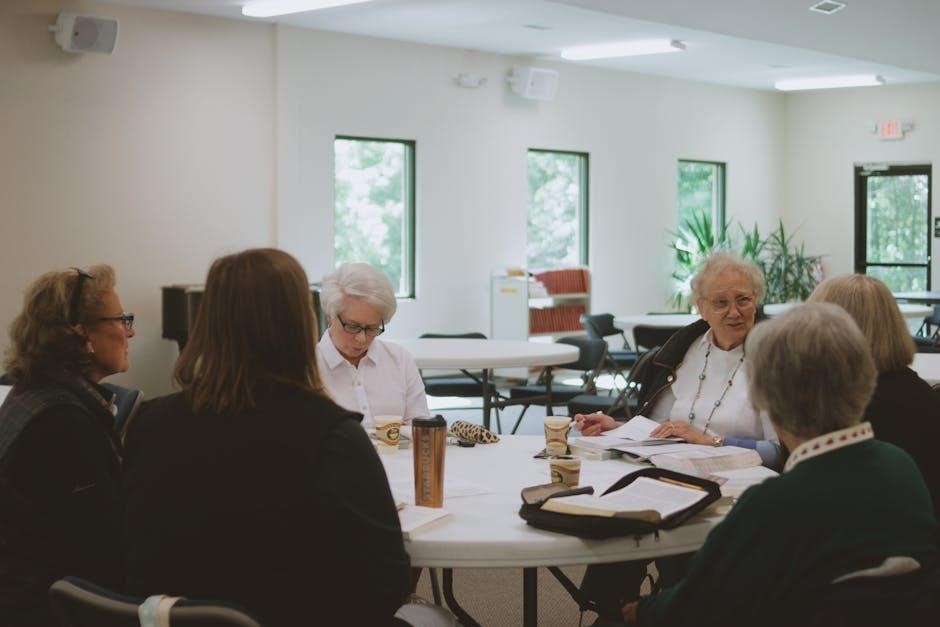
Background checks for volunteers working with children and vulnerable adults are essential. Implement clear guidelines for facility usage‚ ensuring responsible stewardship of church resources. Prioritize preventative maintenance to avoid costly repairs and guarantee a secure environment for all members and visitors.
C. Communication Strategies & Technology Integration
Effective communication is vital for a thriving UCC congregation. Utilize a multi-faceted approach‚ incorporating newsletters‚ email updates‚ social media‚ and a user-friendly church website. Embrace technology to enhance engagement – online giving platforms‚ live-streaming worship services‚ and virtual meeting capabilities.
Ensure accessibility for all members‚ considering varying levels of technological proficiency. Establish clear communication protocols for announcements‚ emergencies‚ and pastoral care needs. Regularly evaluate communication effectiveness and adapt strategies to meet the evolving needs of the community.