
Article Plan: Free Diversity and Inclusion Training Materials PDF
Exploring accessible resources, this article details readily available, cost-free DEI training materials in PDF format, aiding organizations and individuals in fostering inclusive environments.
Diversity, Equity, and Inclusion (DEI) training has become paramount in modern workplaces, moving beyond legal compliance to cultivate genuinely inclusive cultures. This article focuses on accessing free DEI training materials, particularly in PDF format, to democratize access to vital resources.

Organizations and individuals alike can benefit from understanding core DEI principles. Resources like those offered through ATIXA’s Event Lobby, alongside policies from organizations like WFH, provide foundational knowledge. These materials cover topics from unconscious bias to fostering belonging, ultimately aiming to improve workplace dynamics and achieve equitable outcomes. Utilizing readily available resources is a crucial first step.
Why Free DEI Training Materials are Important
Accessibility is key; free DEI training materials remove financial barriers, enabling wider participation from organizations of all sizes and individuals seeking self-education. These resources are particularly valuable for smaller businesses or non-profits with limited training budgets.
Furthermore, readily available materials promote consistent messaging and foundational understanding of DEI principles. Resources like those from Women’s and Fair Practices Departments, coupled with supplemental content like Ted Talks, enhance awareness. Utilizing free options allows organizations to prioritize investment in implementation and sustained DEI initiatives, rather than solely on initial training costs.
Understanding Core DEI Concepts
A solid foundation in DEI principles is crucial for effective training. Diversity encompasses the range of human differences, while Equity focuses on fair access and opportunity, acknowledging systemic barriers. Inclusion creates environments where all individuals feel valued and respected.
Free materials often emphasize these definitions, as seen in foundational courses like ATIXA’s, and the Women’s and Fair Practices Departments’ training. Understanding these concepts is vital for recognizing unconscious bias and fostering respectful conduct, ultimately leading to a more inclusive workplace culture.
Defining Diversity
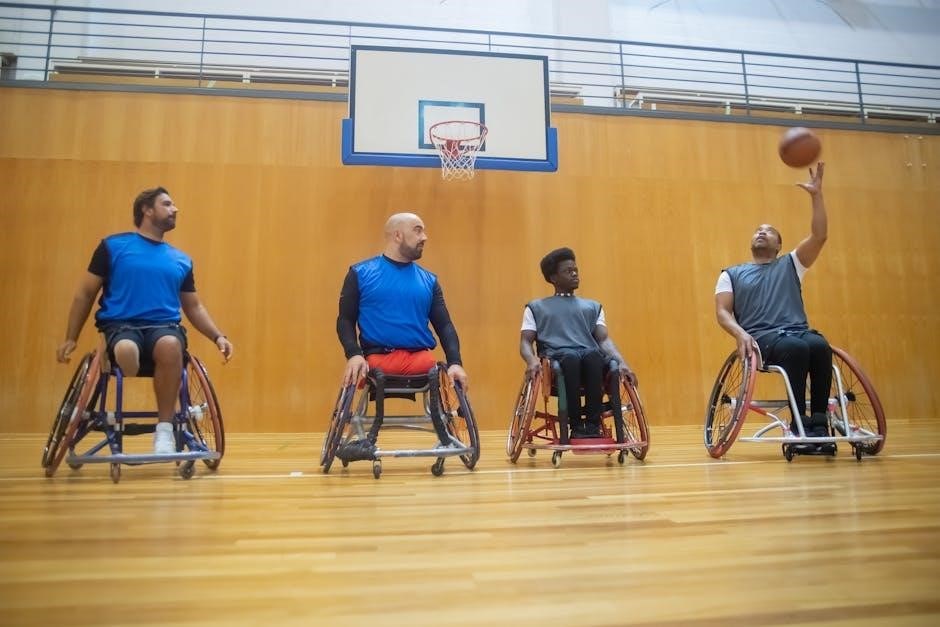
Diversity, in the context of DEI training, represents the presence of differences within a group. These differences can include race, ethnicity, gender, sexual orientation, socioeconomic background, age, physical abilities, religious beliefs, and perspectives.
Many free resources, such as those from ATIXA and the Women’s and Fair Practices Departments, highlight that diversity isn’t simply about numbers; it’s about acknowledging and valuing the unique contributions each individual brings. Training materials often emphasize that a diverse workforce fosters innovation and better problem-solving.
Defining Equity
Equity recognizes that individuals start from different places and require different levels of support to achieve equal outcomes. Unlike equality, which treats everyone the same, equity addresses systemic barriers and historical disadvantages.

Free DEI training materials, including the WFH Equity, Diversity and Inclusion Policy (PDF), often illustrate this distinction. These resources emphasize that providing equitable opportunities necessitates acknowledging and rectifying past and present injustices. Strayer University’s approach, detailed in available documents, underscores the importance of fair practices and EEOC compliance.
Defining Inclusion
Inclusion goes beyond simply having a diverse workforce; it’s about creating a culture where every individual feels valued, respected, and empowered to contribute their unique perspectives.
Free DEI training resources, such as those from ATIXA’s Event Lobby and the “To Be Welcoming” diversity training summary, highlight the significance of belonging. These materials emphasize fostering an environment where differences are celebrated, and all voices are heard.
Ted Talks integrated into Women’s and Fair Practices Departments training further promote inclusive behaviors and understanding.
Available Free DEI Training Resources ⎻ Overview
Numerous platforms offer free DEI training materials in PDF format. ATIXA’s Event Lobby provides access to course slides and supplemental content, requiring daily login for full access. Women’s and Fair Practices Departments offer training integrating Ted Talks, focusing on diversity, inclusion, and belonging.
WFH provides an Equity, Diversity, and Inclusion Policy (PDF) alongside annual reports detailing DEI progress. Strayer University’s approach, documented in comprehensive training decks, emphasizes EEOC compliance and increasing employee diversity.
Open Educational Resources (OER) also contribute to this growing landscape.
ATIXA Event Lobby Resources
ATIXA’s Event Lobby serves as a central hub for accessing valuable DEI training resources. The “Diversity, Equity, & Inclusion Foundations” training and certification course materials are available there, but require daily login to access updated course slides and supplemental materials.
Attendance logging is also a key component of utilizing this resource. Access is typically granted via a QR code, ensuring secure and controlled distribution of the training content.

This platform provides a structured learning path for DEI fundamentals.
Accessing ATIXA Materials
Gaining entry to ATIXA’s DEI training resources requires a specific login process. Users must log in to their designated ATIXA Event Lobby each day to ensure consistent access to the most current course materials. This daily requirement is in place to facilitate ongoing engagement with the content.
Access is often facilitated through a unique QR code, streamlining the login procedure and enhancing security. This method ensures only authorized individuals can benefit from the training.
Regular access is key to completing the certification.
Course Slides and Supplemental Content
ATIXA’s DEI Foundations course provides comprehensive learning materials, including detailed course slides covering core concepts of diversity, equity, and inclusion. These slides serve as the primary learning resource, outlining key definitions and practical applications.
Beyond the core slides, ATIXA offers valuable supplemental content designed to deepen understanding and enhance the learning experience. This includes additional readings, case studies, and interactive exercises.
Logging daily attendance is crucial for accessing these resources and completing the certification requirements.
Women’s and Fair Practices Departments Training
Training presented by Women’s and Fair Practices Departments focuses on practical DEI implementation. A key component is the integration of a robust Code of Conduct, establishing clear expectations for respectful behavior within the organization.
To further enhance DEI awareness, these departments leverage impactful Ted Talks, specifically highlighting “From the Inside Out: Diversity, Inclusion & Belonging.” This approach provides diverse perspectives and encourages thoughtful discussion.
The agenda includes disclosures, class agreements, and a thorough exploration of what DEI is and why it matters.
Code of Conduct Integration
A central tenet of effective DEI training involves seamlessly integrating a comprehensive Code of Conduct. This isn’t merely a document, but a living framework defining acceptable behaviors and outlining consequences for violations.

The Code should explicitly address discrimination, harassment, and bias, fostering a safe and respectful environment for all employees. Training materials must emphasize the Code’s importance and provide clear examples of both compliant and non-compliant actions.
Regular reinforcement and updates are crucial to ensure its continued relevance and effectiveness.
Utilizing Ted Talks for DEI Awareness
Ted Talks offer a powerful and accessible avenue for sparking DEI awareness within organizations. These concise, engaging presentations can effectively introduce complex topics like unconscious bias, inclusive leadership, and the importance of diverse perspectives.
Specifically, the “From the Inside Out: Diversity, Inclusion & Belonging” Ted Talk provides valuable insights. Integrating these talks into training programs can stimulate discussion and encourage self-reflection.
Supplementing Ted Talks with facilitated discussions and practical exercises maximizes their impact, fostering a deeper understanding of DEI principles.
WFH Equity, Diversity and Inclusion Policy (PDF)
Accessing the WFH Equity, Diversity, and Inclusion Policy in PDF format provides a foundational document for building an inclusive workplace. This policy, effective since November 20, 2023, outlines the organization’s commitment to equitable practices and a diverse workforce.
Furthermore, WFH publishes annual reports detailing their progress on DEI initiatives. The 2024 and 2023 Annual Reports are available for review, offering transparency and accountability.
Utilizing this policy and its accompanying reports demonstrates a proactive approach to DEI, fostering a culture of belonging and respect.
Policy Details and Access
The WFH Equity, Diversity, and Inclusion Policy comprehensively addresses key areas of inclusive practice. It establishes guidelines for respectful conduct and aims to cultivate a workplace where all employees feel valued and empowered.
Direct access to the complete PDF document is readily available for download, enabling thorough review and understanding of its provisions. This policy serves as a cornerstone for DEI training and implementation within the organization.
Reviewing the policy details is crucial for ensuring alignment with WFH’s commitment to equity and inclusion.
Annual Reports on DEI Progress
WFH publishes annual reports detailing its progress towards established Diversity, Equity, and Inclusion goals. These reports offer transparency and accountability, showcasing the organization’s commitment to fostering a more inclusive environment.

Currently, the Annual Report for 2024 and 2023 are accessible for review, providing valuable insights into key initiatives, challenges, and achievements related to DEI. Analyzing these reports is essential for understanding the impact of DEI efforts.
These reports complement the WFH DEI policy and training materials, offering a holistic view of the organization’s journey.
Comprehensive DEI Training Decks
Access to complete, comprehensive Diversity and Inclusion training decks is now readily available. These resources represent a credible and relevant solution for organizations seeking to implement effective DEI training programs.
The decks offer a structured approach to learning, covering essential concepts and practical strategies for fostering inclusivity. They are designed to equip participants with the knowledge and skills needed to create a more equitable workplace.
These materials are considered the most valuable online resource for conducting impactful DEI training, offering a robust foundation for organizational change.
Strayer University’s DEI Approach

Strayer University’s documented approach to Diversity, Equity, and Inclusion (DEI) provides valuable insights into practical implementation strategies. The university’s materials specifically address diversity and compliance with Equal Employment Opportunity Commission (EEOC) regulations.

Their framework proposes three key methods for increasing employee diversity within an organization, offering actionable steps for recruitment and retention. This focus demonstrates a commitment to building a workforce that reflects a broad range of backgrounds and perspectives.
These insights can inform the development of robust DEI programs.
Increasing Employee Diversity Strategies
Strayer University’s DEI documentation outlines concrete strategies for boosting workforce diversity. These methods are crucial for organizations seeking to build more inclusive teams and benefit from a wider range of perspectives.
The proposed strategies focus on proactive recruitment efforts, ensuring job postings reach diverse candidate pools. Additionally, they emphasize the importance of inclusive hiring practices, minimizing unconscious bias during the selection process.
Finally, fostering an inclusive company culture is highlighted as essential for retaining diverse talent and promoting equitable opportunities for all employees.
Diversity and EEOC Compliance
The Strayer University document directly addresses the intersection of diversity initiatives and compliance with Equal Employment Opportunity Commission (EEOC) regulations. Understanding these legal frameworks is paramount for organizations implementing DEI programs.
Maintaining compliance safeguards against potential discrimination claims and ensures fair treatment across all employment practices, from recruitment to promotion. DEI training, therefore, isn’t merely about fostering inclusivity, but also about mitigating legal risks.
Proactive adherence to EEOC guidelines demonstrates a commitment to equal opportunity and builds a more equitable workplace for everyone.
To Be Welcoming Diversity Training Summary
A document summarizes key takeaways from a “To Be Welcoming” diversity training course, highlighting the importance of fostering an inclusive atmosphere. This training likely focused on practical strategies for creating a welcoming environment for individuals from all backgrounds.
The summary emphasizes the value of understanding diverse perspectives and promoting respectful interactions. Such training equips participants with the tools to challenge biases and build stronger relationships.
Ultimately, the goal is to cultivate a workplace where everyone feels valued, respected, and empowered to contribute their best work.
Benefits of DEI in the Workplace
Diversity and inclusion demonstrably lead to improved outcomes for organizations. A more diverse workforce fosters a wider range of ideas and perspectives, driving innovation and problem-solving capabilities.
Inclusive environments cultivate a positive work atmosphere, boosting employee morale, engagement, and retention rates. This, in turn, enhances productivity and overall organizational performance.
Furthermore, DEI initiatives promote equality and fairness, strengthening a company’s reputation and attracting top talent. Ultimately, DEI isn’t just ethical; it’s strategically advantageous.
Addressing Bias in Organizations

Unconscious biases significantly impact organizational decisions, hindering equitable practices. Recognizing these ingrained prejudices is the first crucial step towards mitigation. Free DEI training materials often emphasize identifying personal biases through self-assessment exercises.
Strategies for minimizing bias include implementing structured interview processes, utilizing blind resume reviews, and establishing clear evaluation criteria; Leaders should champion respectful conduct and provide ongoing cultural understanding training.
Addressing bias isn’t a one-time fix; it requires continuous effort and a commitment to fostering an inclusive culture.
Recognizing Unconscious Bias
Unconscious biases are social stereotypes outside of our conscious awareness, influencing perceptions and decisions. Free DEI resources highlight how these biases form through societal conditioning and personal experiences.
Common types include affinity bias (favoring similar individuals), confirmation bias (seeking information confirming existing beliefs), and halo/horns effect (allowing one trait to overshadow others).
Training materials often incorporate implicit association tests (IATs) to help individuals identify their own hidden biases. Self-reflection and acknowledging these biases are vital steps towards more equitable behavior.
Strategies for Mitigating Bias
Free DEI training materials emphasize proactive strategies to counter unconscious bias. Establishing structured evaluation processes, utilizing blind resume reviews, and implementing diverse interview panels are key techniques.
Promoting awareness through workshops and ongoing education fosters a culture of inclusivity. Encouraging perspective-taking – actively considering viewpoints different from your own – broadens understanding.
Leaders should establish clear expectations for respectful conduct and consistently model inclusive behaviors. Regularly reviewing policies and practices ensures fairness and minimizes biased outcomes within the organization.
Designing Inclusive Online Courses
Leveraging free DEI resources, online course design must prioritize accessibility for all learners. Key requirements include providing captions for videos, transcripts for audio, and alternative text for images, ensuring content is perceivable.
Materials should be operable by various input devices and compatible with assistive technologies. Content structure must be clear and logical, utilizing headings and lists for easy navigation.
Principles of Universal Design for Learning (UDL) are crucial, offering multiple means of representation, action and expression, and engagement, fostering an inclusive learning experience.
Accessibility for Students with Disabilities
Utilizing free DEI training insights, ensuring online courses are accessible to students with disabilities is paramount. This involves adhering to Web Content Accessibility Guidelines (WCAG) standards, focusing on perceivability, operability, understandability, and robustness.
Providing alternative formats for materials, like captions and transcripts, is essential. Course platforms should be compatible with screen readers and other assistive technologies.
Consider diverse learning needs, offering flexible deadlines and varied assessment methods. Proactive design, rather than retroactive fixes, creates truly inclusive learning environments.
Key Requirements and Principles
Leveraging free DEI resources, effective online course design necessitates several key principles. Content must be structured logically, utilizing clear headings and concise language. Multimedia elements require captions and transcripts for accessibility.
Interactive elements should be navigable via keyboard alone, accommodating users with motor impairments.
Color contrast must meet accessibility standards, ensuring readability for visually impaired students. Regularly testing with assistive technologies and gathering student feedback are crucial for continuous improvement and inclusive design.
Free DEI Training Materials from Government Sources
Government agencies increasingly offer publicly accessible DEI training resources. While specific offerings vary, exploring websites of the Equal Employment Opportunity Commission (EEOC) and departments focused on civil rights can yield valuable materials.
These resources often include guidance on legal compliance, recognizing and addressing discrimination, and fostering inclusive workplaces.
Look for webinars, downloadable guides, and training modules designed to promote understanding of diversity, equity, and inclusion principles within organizations, often available as PDFs.
Utilizing Open Educational Resources (OER) for DEI
Open Educational Resources (OER) provide a wealth of freely accessible DEI training materials. Universities and educational institutions often publish DEI-focused course content under open licenses, allowing for adaptation and reuse.
Platforms like MIT OpenCourseWare and similar initiatives may host relevant modules or complete courses. Searching for “diversity and inclusion” within OER repositories can uncover valuable PDFs, presentations, and syllabi.
These resources offer a cost-effective way to build or supplement DEI training programs, promoting wider access to crucial knowledge.
Evaluating the Quality of Free DEI Materials
Critical evaluation is crucial when utilizing free DEI resources. Assess the source’s credibility – is it from a reputable organization or academic institution? Look for materials grounded in established DEI principles and research, avoiding biased or outdated content.
Consider the author’s expertise and potential conflicts of interest. Ensure the materials are inclusive and representative of diverse perspectives. Check for accessibility features, like alt-text for images and captions for videos.
A well-designed resource will offer practical strategies and encourage self-reflection.
Common Challenges in DEI Training
Implementing DEI training, even with free materials, presents hurdles. Resistance to change and discomfort discussing sensitive topics are frequent. Unconscious bias remains a significant challenge, requiring consistent effort to address.
Maintaining engagement and ensuring long-term behavioral shifts can be difficult. Some free resources may lack depth or practical application. Ensuring inclusivity within the training itself is vital – materials must represent diverse experiences.
Measuring the impact of training and securing sustained leadership support are ongoing concerns.
Measuring the Impact of DEI Training
Assessing the effectiveness of DEI training, even utilizing free PDF resources, requires a multifaceted approach. Tracking participation rates is a starting point, but doesn’t reveal behavioral changes.
Organizations should employ surveys to gauge shifts in employee attitudes and perceptions regarding diversity and inclusion. Analyzing demographic data – tracking diversity metrics – provides quantifiable insights.
Monitoring employee feedback, reviewing incident reports, and observing inclusive behaviors are crucial. Ultimately, demonstrating a positive impact on organizational culture and business outcomes validates the training’s value.
Legal Considerations in DEI Training
Navigating the legal landscape surrounding DEI training is paramount, even when utilizing free PDF materials. Training must avoid creating a hostile work environment or engaging in illegal discrimination.
Focus should remain on fostering inclusion and understanding, not on imposing quotas or preferential treatment. Content must align with Equal Employment Opportunity (EEO) laws and avoid perpetuating stereotypes.
Organizations should consult legal counsel to ensure training programs are compliant with relevant regulations, mitigating potential legal risks and promoting a legally sound DEI strategy.
Future Trends in DEI Training
Looking ahead, DEI training is evolving beyond traditional methods, even within freely available PDF resources. Expect increased emphasis on intersectionality, recognizing the complexities of overlapping identities.
Microlearning and personalized training paths will gain prominence, offering targeted content based on individual needs and roles. Virtual Reality (VR) and Artificial Intelligence (AI) may offer immersive and adaptive learning experiences.
Data-driven approaches to measure training effectiveness and demonstrate ROI will become crucial, alongside a focus on sustained learning and continuous improvement.
Leveraging Free Resources for DEI Success
However, simply accessing materials isn’t enough. Successful DEI implementation requires consistent effort, leadership commitment, and a willingness to address unconscious biases.
By strategically utilizing these free resources and supplementing them with ongoing learning, organizations can cultivate a more equitable and welcoming environment for all.